Poker Analyzer Power Consumption and Battery Optimization
最后更新于:2026-07-10 18:04:44
Battery life is usually discussed as a single endurance number, but for engineers and procurement specialists that number hides the real story. A poker analyzer is a small, power-constrained system in which a camera, a processor, a radio transmitter, and an audio path compete for the same cell. How that cell is managed determines whether the equipment lasts a full session or dies mid-hand. This article treats power as a system design problem rather than a spec sheet footnote, and explains the levers that extend runtime without compromising analysis quality.
The Power Budget as a System View
Every analyzer draws current from one or more cells distributed across its modules. The total budget is the sum of the subsystems that are active at any moment. A useful mental model splits consumption into fixed loads and variable loads. Fixed loads, such as a real-time clock or a standby radio, draw constantly. Variable loads, such as the scanner camera during a capture or the radio during a transmission, spike on demand.
The art of battery optimization is minimizing the time spent in high-draw states while keeping the system responsive. A system that captures continuously will drain far faster than one that wakes the camera only when a card is expected. Understanding which loads are fixed and which are variable is the first step toward a longer runtime.
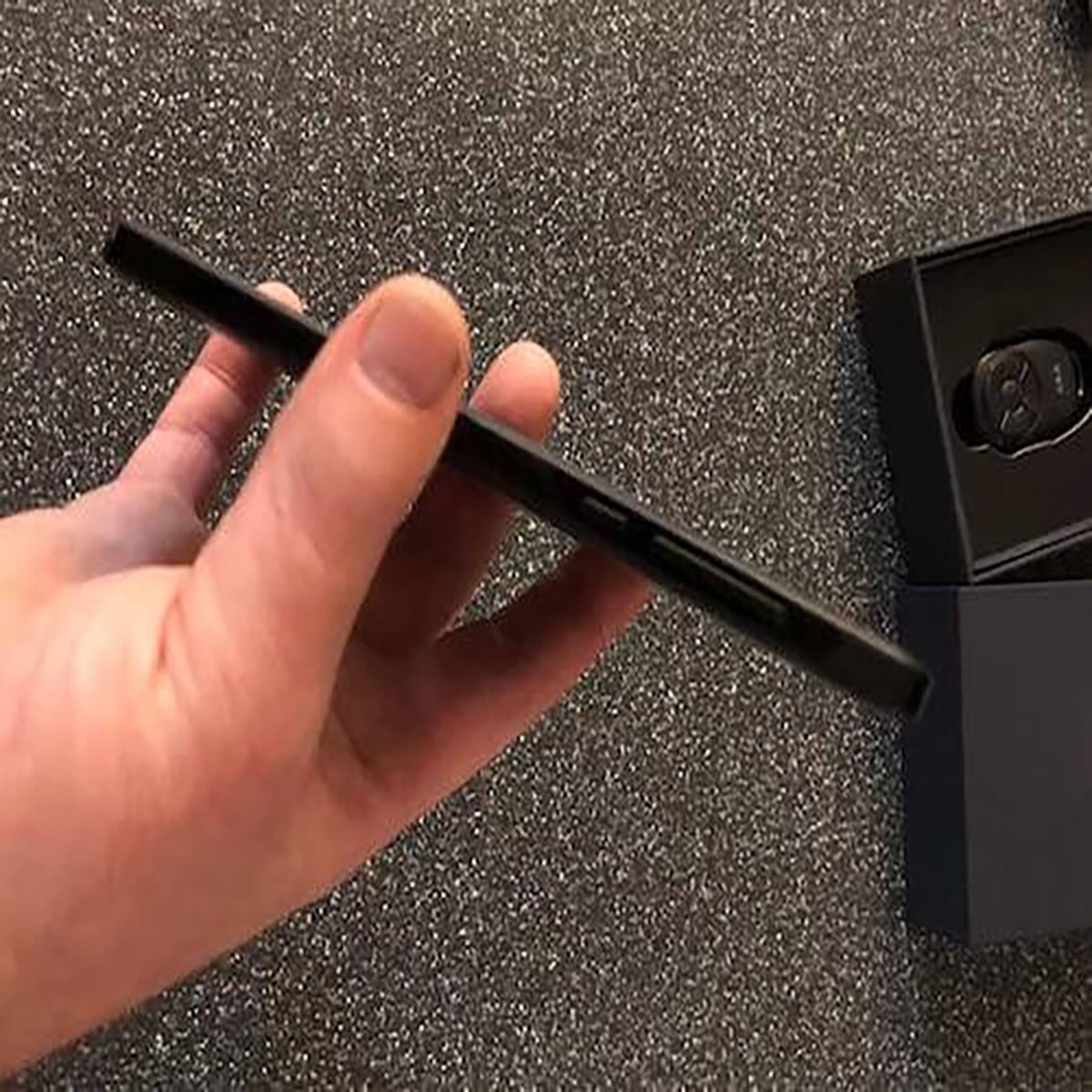
Subsystem Current Draw
Typical subsystems and their relative appetite:
– Scanner camera and image pipeline: high during capture, near zero when idle
– Application processor and decoder: moderate to high during evaluation, low when asleep
– Radio transmitter to earpiece or display: high during burst, low between bursts
– Display and backlight: moderate, persistent if the screen stays on
– Audio codec and amplifier: low, but persistent during active cues
– Support circuitry and voltage regulators: low but always present
The camera and the radio are usually the dominant consumers because they perform work at speed. The processor is next, especially when running complex hand evaluation or adaptive exposure. The display is deceptively costly because it runs for the entire session if never dimmed.
Processor Load and Dynamic Scaling
Modern analyzer hosts use processors with dynamic voltage and frequency scaling. Under light load the chip reduces clock speed and core voltage, cutting power dramatically. During a decode the chip boosts to finish the work quickly, then drops back to idle. The efficiency gain comes from finishing work fast and returning to sleep, not from running slowly barcode poker analyzer.
Software design affects this. A decode loop that polls inefficiently, or an application that never suspends background tasks, keeps the processor awake and wastes the cell. Well-designed firmware batches work, sleeps aggressively, and wakes only on events such as a card entering the scan zone. Buyers should ask how the firmware manages sleep states, because it directly shapes endurance.
Radio Transmit Power Versus Consumption
Radio transmission scales almost linearly with output power. Doubling transmit power roughly doubles the energy per packet, yet yields only a modest range gain because range follows the logarithm of power. This is why the lowest usable transmit power is also the most efficient. Channel management that lets the link run at reduced power directly extends battery life.
Burst transmission helps further. Sending the result as a short, high-power burst and then sleeping the radio is far more efficient than holding a continuous low-power carrier. Systems that implement burst-and-sleep radio scheduling gain hours of runtime compared with always-on links.
Display and Backlight Impact
The display is the easiest load to trim. A screen left at full brightness for a multi-hour session consumes a steady, avoidable current. Dimming to the minimum readable level, using sleep-on-idle, and relying on audio cues rather than constant visual monitoring all reduce draw.
For builds where the phone is the host, the same principle applies: the analyzer app should not force the screen on longer than necessary. Configuring the OS to dim and lock conserves the cell while the operator depends on the earpiece for results. The display is a convenience load, not a functional necessity during play.
Battery Chemistry and Form Factor
Most analyzer systems use lithium-ion or lithium-polymer cells. Lithium-polymer offers flexible form factors that fit thin cases and watch bodies, at the cost of slightly lower energy density per volume. Lithium-ion cylindrical or pouch cells deliver higher capacity in less shape-constrained hosts. The choice is driven by the device envelope more than by chemistry preference.
Both chemistries share traits that matter for optimization: capacity fades with cycle count, performance drops in cold, and sustained high discharge raises internal temperature, which accelerates aging. A power plan that avoids deep discharge and extreme heat preserves both runtime per session and total cell life across sessions.
Charging and Cycle Life
Battery optimization is not only about runtime per charge but about cells surviving many charges. Shallow cycling, keeping the state of charge between roughly twenty percent and eighty percent, extends cycle life compared with full discharges and full recharges. For equipment in daily use, managing charge windows protects the investment.
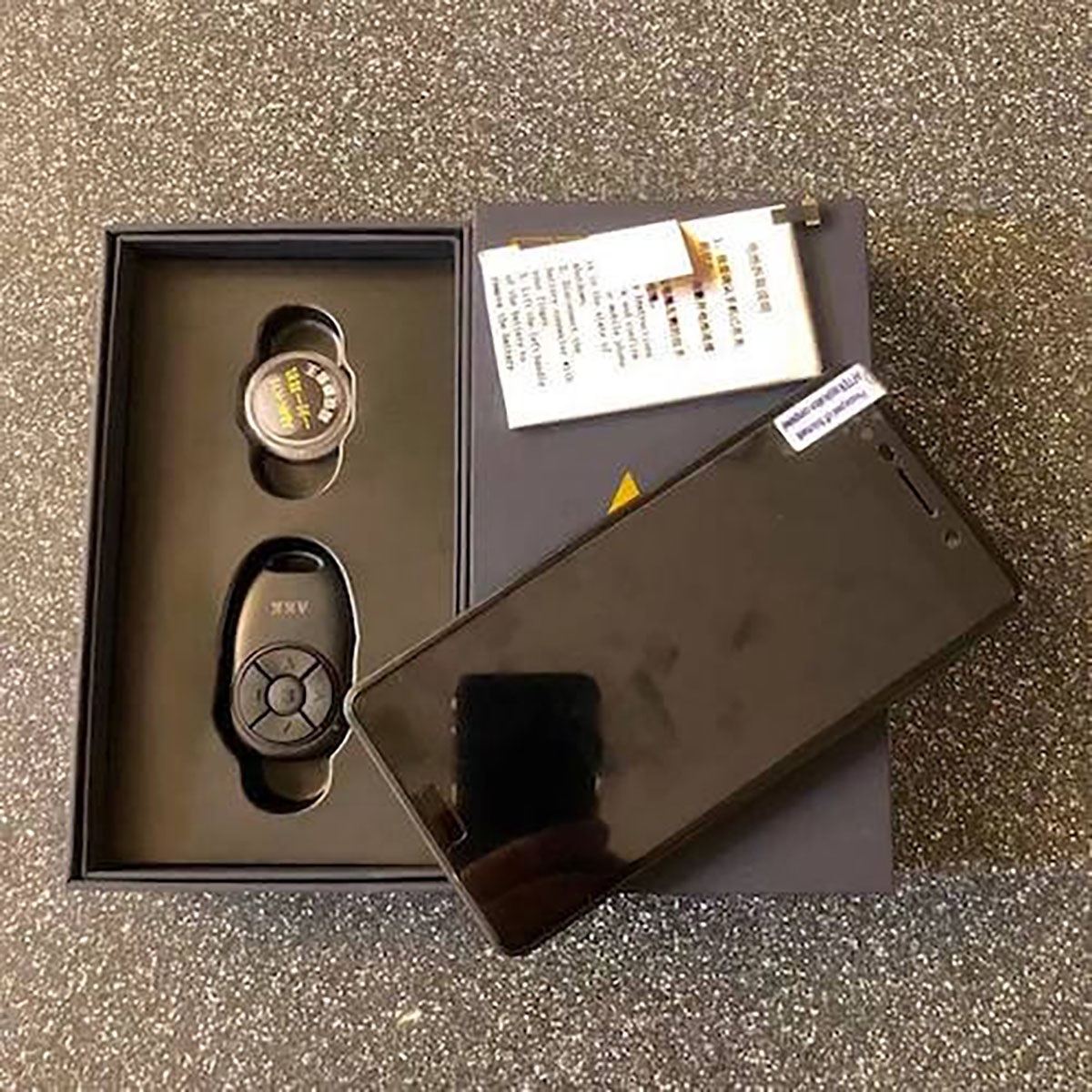
Fast charging is convenient but generates heat, and heat is the enemy of cell longevity. A balanced approach uses standard charging between sessions and reserves fast charging for genuine emergencies. Procurement teams should specify chargers that the cell chemistry tolerates and avoid undocumented third-party chargers that may over-voltage or over-heat.
Thermal Effects on Capacity
A cell’s usable capacity falls as temperature falls and its aging accelerates as temperature rises. On a cold floor or in an outdoor setting, the same cell that lasted hours indoors may deliver noticeably less. Conversely, a body-worn host warmed by the operator’s heat may age faster if it runs hot under load.
Thermal management is therefore part of power management. Allowing airflow where possible, avoiding insulation that traps heat, and not running the processor at maximum boost continuously all help. The goal is a stable operating temperature band rather than the coldest or hottest extreme.
Optimization Techniques
Practical optimization combines firmware and operational discipline:
– Use event-driven capture instead of continuous scanning
– Run the radio in burst-and-sleep mode at the lowest acceptable power
– Dim the display and enable sleep-on-idle
– Keep the processor in deep sleep between evaluations
– Avoid full discharges; top up during breaks
– Pre-charge spare cells to the same state before a session
– Disable unused radios such as unused Bluetooth profiles or location services
These measures are cumulative. A system that applies several of them can extend runtime by a substantial margin over a default configuration that leaves every subsystem awake.
Field Power Management
No amount of optimization removes the need for contingency. For long sessions, carrying a pre-charged spare cell or an external capacity pack is standard practice. The spare should be stored at a moderate charge and brought to operating temperature before use in cold environments, because a cold cell performs poorly until it warms.
Operators should also validate runtime under realistic load before relying on a figure from a spec sheet. A vendor’s endurance number may assume minimal radio use and a dimmed screen. Real play with frequent scans and a bright display draws more. Measuring actual drain with the intended workflow is the only reliable way to size spares.
Measurement and Validation
Quantifying consumption requires a current logger or a power monitor in line with the cell. Measuring average current over a representative session yields a realistic endurance figure when divided into cell capacity. This empirical approach exposes subsystems that draw more than expected and confirms whether optimization changes actually helped.
For B2B evaluation, a short validation protocol, log current for thirty minutes of simulated play, identify the top three loads, apply one optimization, and re-measure, turns battery talk into battery evidence. The result is a defensible runtime specification rather than a marketing claim.
FAQ
Does higher transmit power give proportionally more range?
No. Range grows with the logarithm of power, so doubling power yields only a small range increase while doubling energy per packet. Running at the lowest acceptable power is both efficient and usually sufficient with good channel management Pokercheat8.
Why does my battery die faster in cold weather?
Lithium cells lose usable capacity as temperature drops. The chemistry’s internal resistance rises, reducing deliverable energy. Keeping the cell near body temperature or warming a spare before use mitigates the effect.
Is it better to fully discharge or shallow cycle the battery?
Shallow cycling, keeping charge between roughly twenty and eighty percent, extends cycle life. Full discharges and full recharges stress the cell and accelerate capacity fade over time.
Should the display stay on during play?
Only if the operator needs constant visual output. For earpiece-based operation, dimming and sleep-on-idle conserve significant current. The display is a convenience load that should be minimized.
How can I verify a vendor’s battery claim?
Measure average current with a logger during a realistic play simulation, then divide cell capacity by that current. This empirical endurance is more reliable than a spec-sheet number based on light-load assumptions.
Does fast charging hurt the battery?
Frequent fast charging generates heat that accelerates aging. Standard charging between sessions is gentler on the cell. Reserve fast charging for emergencies and avoid undocumented chargers.